
 ProjectsHow Owners Evaluate Bids — Inside a Techno-Commercial EvaluationA bid that passes pre-qualification, a technical read of the method, prices normalised to one basis and a whole-life view may still not be the cheapest — but it will be the one you can defend, to a board, an auditor, and the plant that has to live with it.Read post →
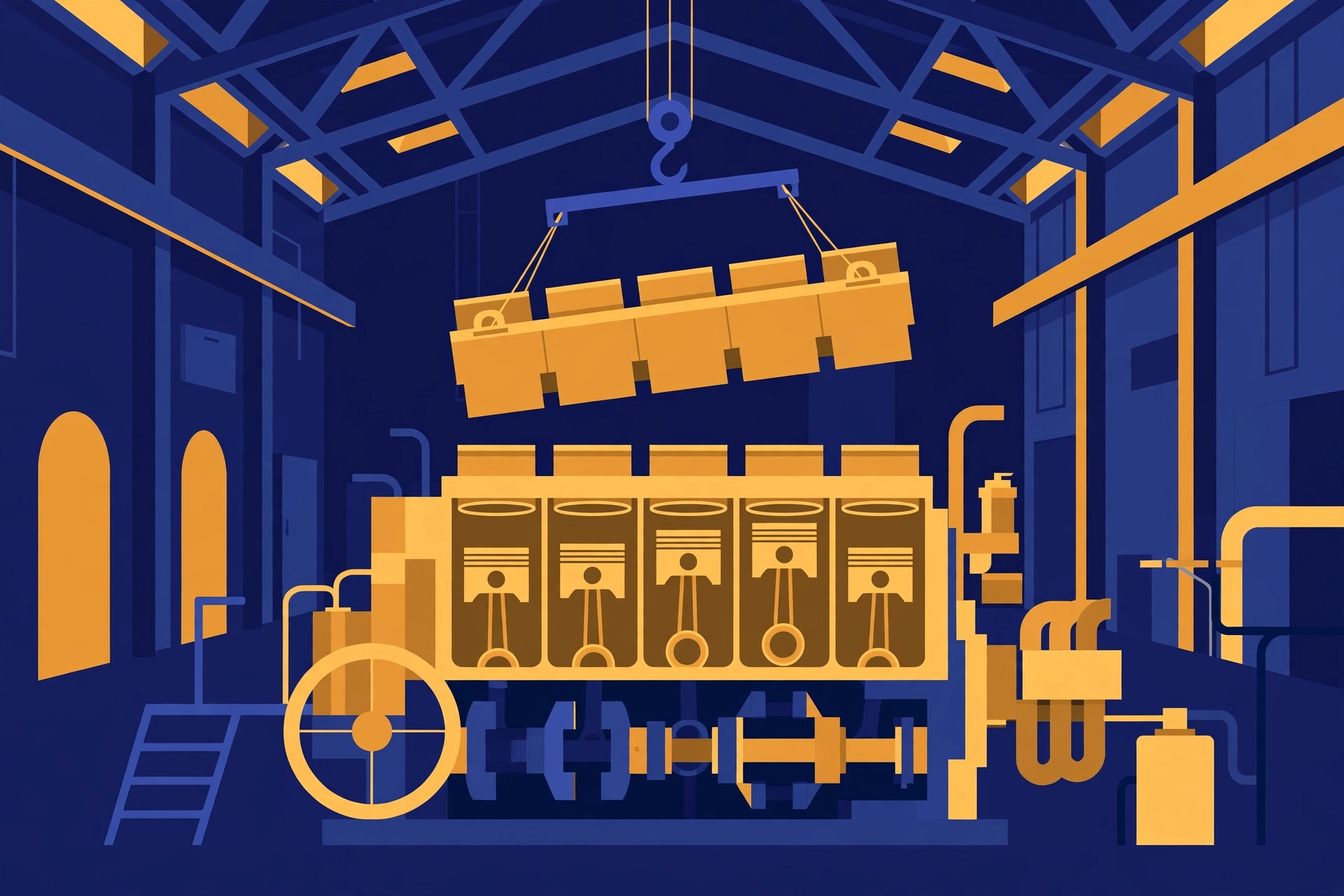 MaintenanceMinor at 30K, Major at 60K — The Rhythm of Engine OverhaulsAn engine wears out on hours, not dates. The 30,000-hour minor is a checkpoint whose measurements shape the 60,000-hour major — and across a 32-engine fleet, sequencing, spares and records are what make the programme work.Read post →
 EnergyWhy the Grid Struggles at 7 pm: Peak Demand, ExplainedThe evening peak is not a shortage of plants. It is a timing problem: demand climbs as solar falls away, and the system must ramp faster than its slowest plant can move — buying the last megawatts from the dear end of the merit order.Read post →
 MaintenanceVibration Analysis for Beginners: What the Spectrum Is Telling YouAn overall vibration number says how much a machine shakes, not why. The spectrum splits the shaking into frequencies — 1× for unbalance, 1× plus 2× with high axial readings for misalignment, a forest of harmonics for looseness, off-grid peaks for bearing defects — and phase settles the cases that look alike.Read post →
 MaintenanceSteam Turbine Overhauls — Level B vs Level C, ExplainedA steam turbine overhaul is not one job. Level B opens the casing and measures what it can reach; Level C takes the rotor out and leaves nothing unexamined — and the choice between them is made by what the machine is telling you, not by the calendar.Read post →
 Home LabPrivate Local AI for Engineering Work: What I Built, and Why Public Chatbots Were Never Going to Do This JobPublic chatbots cannot hold a multi-gigabyte engineering library, and they guess when they should cite. A private local setup — Ollama, Qdrant, Open-WebUI and Hermes Agent — keeps every document on your own network and answers strictly from verified files, with page citations.Read post →
 Home LabA Home Network in Three VLANs: Main, IoT, CamerasMost home networks are flat: one Wi-Fi password, one subnet, and everything on it can see everything else. Three VLANs — main, IoT and cameras — are enough separation to matter, and few enough to actually maintain.Read post →
 PerformanceWhy Plants Lose Output Over Time — and How Testing Finds ItA plant rarely loses output in one dramatic failure. It slips a little at a time through fouling, wear and auxiliary load, until someone looks at the load curve and asks when the plant got smaller. A corrected performance test is how you find where the megawatts went.Read post →
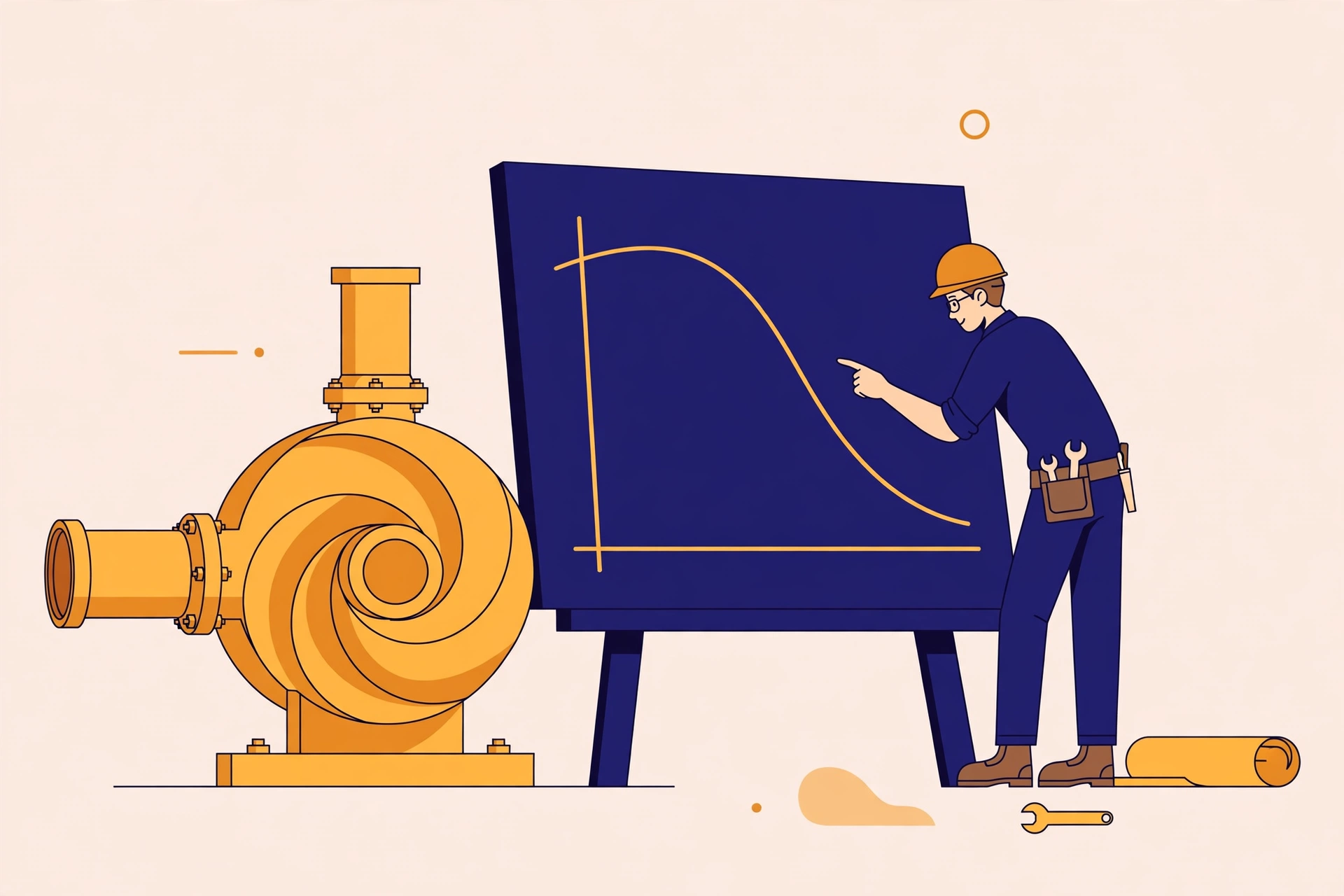 MaintenanceReading a Pump Curve Without GuessingA pump curve is five checks, not one line: head against flow, efficiency and the 70%-120% band, power at duty and runout, suction head, and the system curve that sets where the pump really runs.Read post →
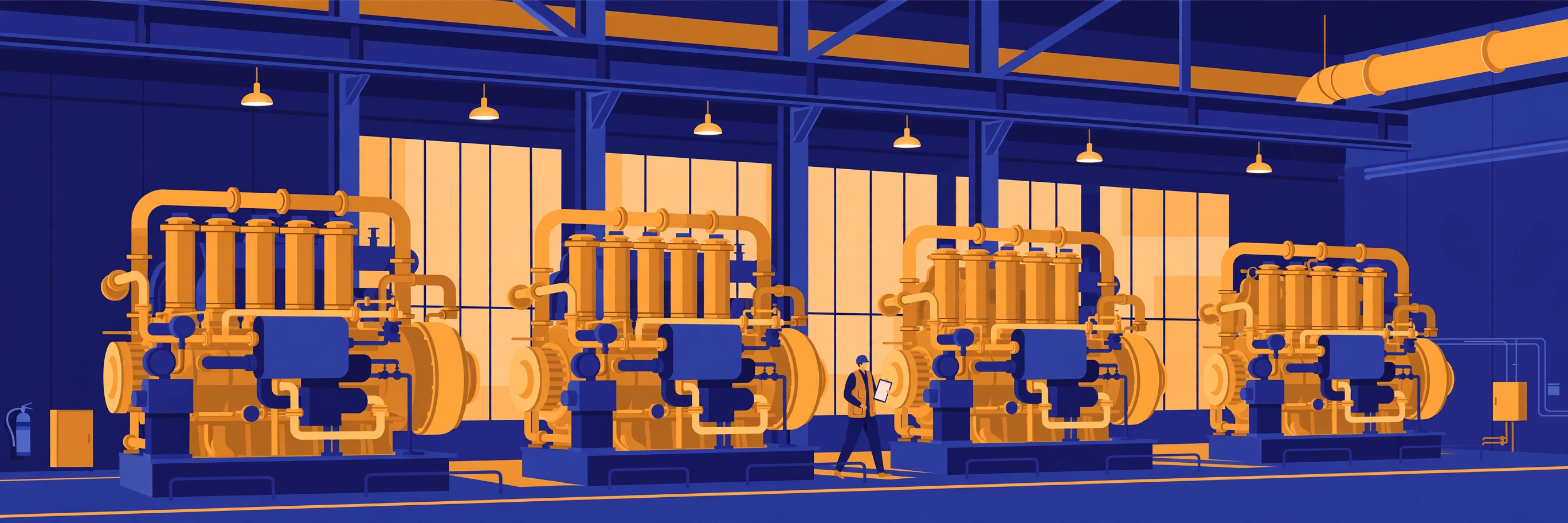 MaintenanceRunning a Gas-Engine Fleet | Availability Is a System, Not a Spare PartOne engine is a machine you maintain. Eighty-six engines are a system you operate — and fleet availability lives in the routines that hold them together: the calendar, the crews, the records, the spares pool and the baselines.Read post →
 MaintenanceSpares Inventory | The PKR 500 Million Balancing ActHalf a billion rupees on warehouse shelves: insurance spares, rotables, consumables and dead stock — and the discipline, from SAP PM to the annual budget round, that keeps the inventory honest.Read post →
 ProjectsConverting Open Cycle to Combined Cycle | Lessons from S&K Phase-IIA US$55M EPC put a WHRSG on every engine exhaust and a 10 MW steam turbine behind each of two running gas-engine stations. The owner's engineer's job: protect the plant that has to live with the build.Read post →
 MaintenanceHRSG Inspections | What API 510 Makes You Look ForCorrosion rates, remaining life and the statutory annual test — including PSV testing, and why the liability stays with the owner even when a third party does the work.Read post →
 TariffsHeat Rate | The Number That Decides a Plant's TariffOne efficiency number flows from the test floor into the tariff petition. How heat rate is proved, benchmarked, and argued before the regulator.Read post →
 Asset SystemsWhat SAP PM Taught Me About Maintenance DisciplineFunctional locations, honest work orders and data you cannot argue with — what implementing SAP PM at a live station really changes.Read post →
 MaintenancePreventive, Predictive, Condition-Based | Choosing the Right MixMost failures are not age-related, so the calendar cannot be the whole strategy. How I split a fleet between time-based, condition-based and run-to-failure work.Read post →
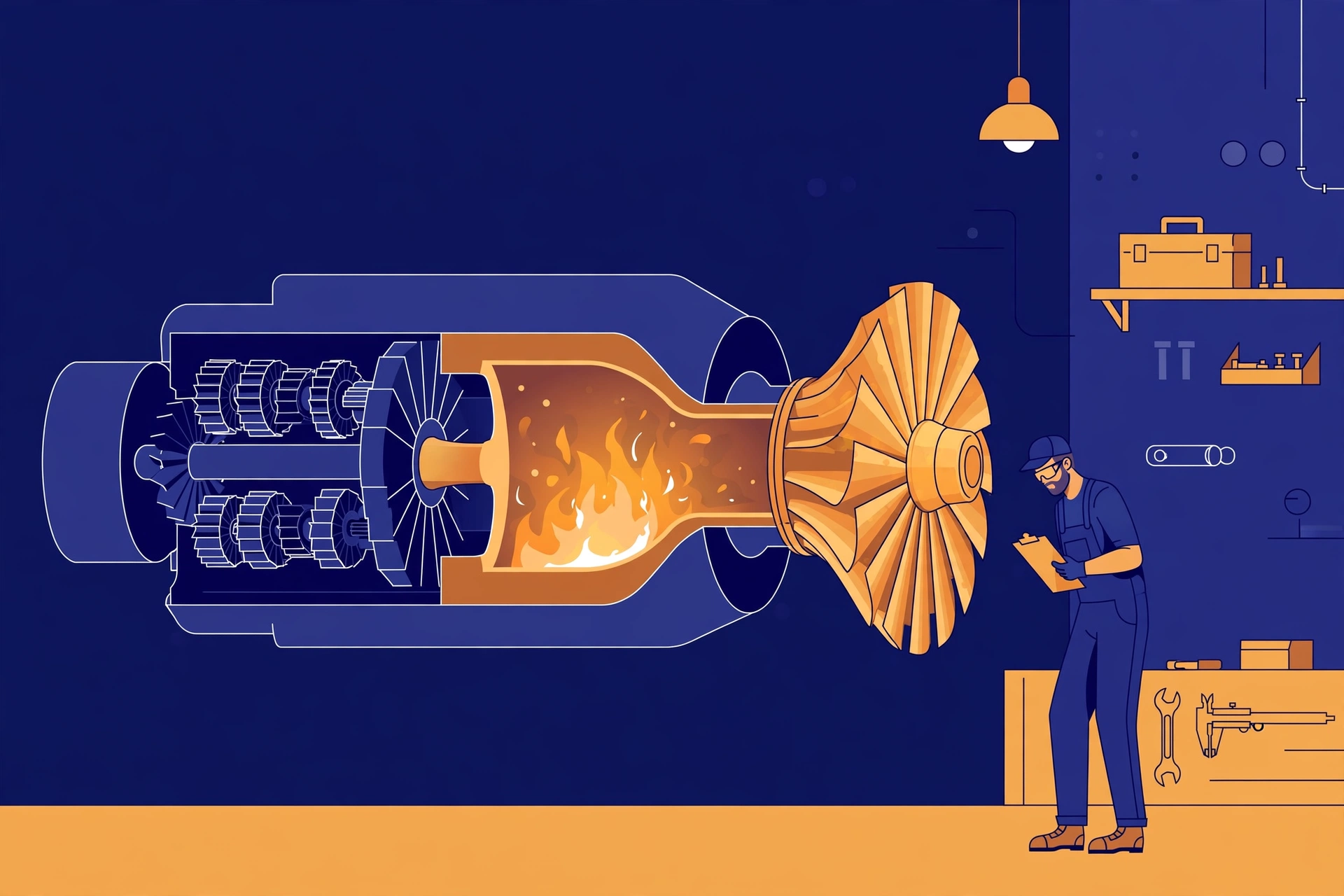 MaintenanceInside an LM6000 Hot-Section ExchangeA Level-3 intervention on an aeroderivative: module exchange, HPC blades, and the decisions that decide whether the unit comes back on time.Read post →
 MaintenancePlanning a 60,000-Hour Overhaul | Without Losing the PlantThirty-two engines, one outage window. The planning, spares and sequencing behind the SGTPS fleet's 60K major overhaul.Read post →
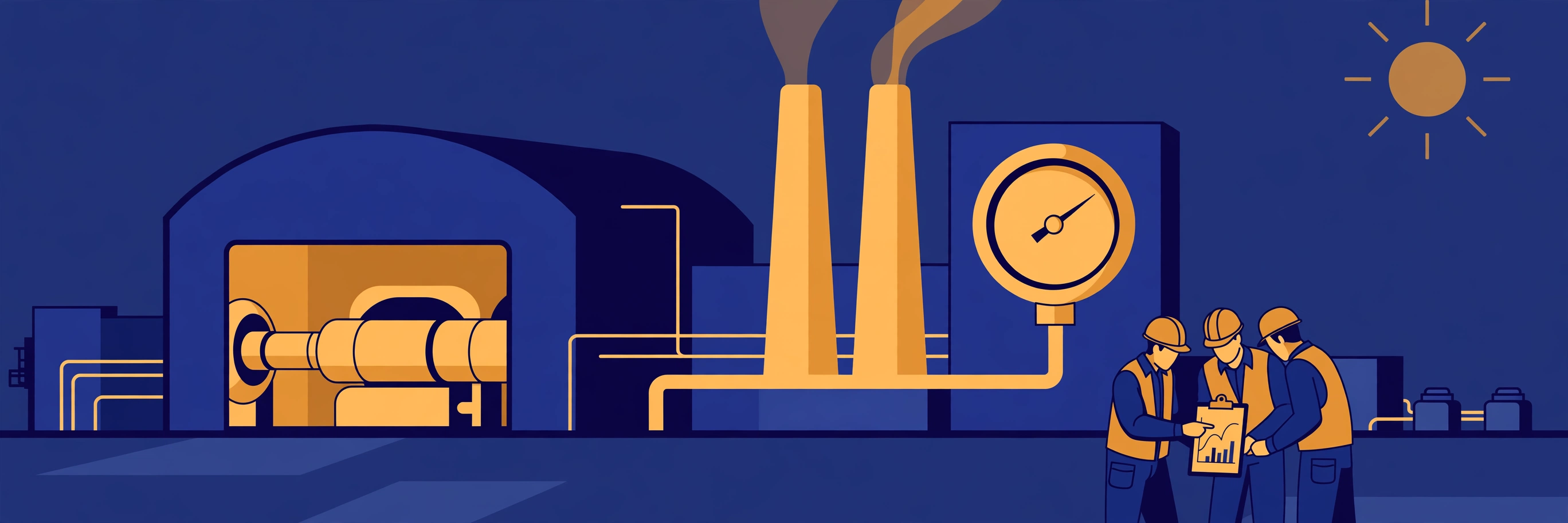 PerformanceWhat a Performance Test Really Proves | ASME PTC 46 & PTC 22 in Plain WordsAcceptance, baselines and money: what a formal performance test actually establishes, and how corrections and uncertainty decide the result.Read post →
 WritingMy First Blog | Overcoming Writing FearsWhy an engineer who writes test reports for regulators still found a blank page intimidating — and what finally got the first post written.Read post →
 WritingBuild Your Own Website | A Step-by-Step GuideThe step-by-step of how this site itself was built — domain, hosting, pages and the lessons from doing it without a CMS.Read post →
No posts match that search.